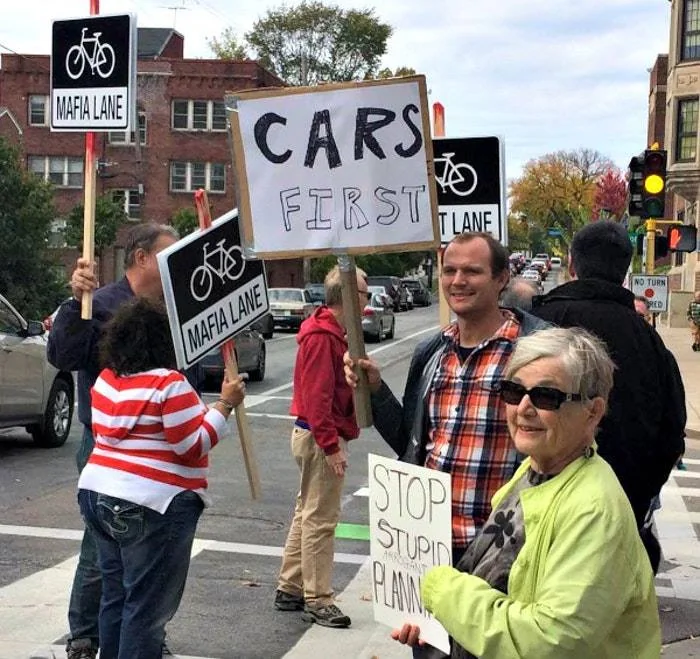
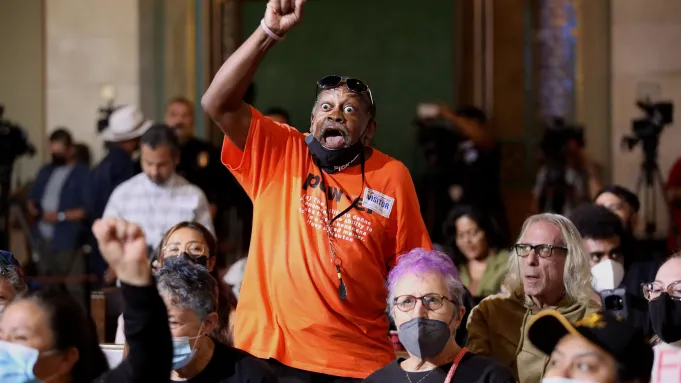
A comprehensive new study from the American Transportation Institute confirms what AARBAA has maintained all along: dedicated cycling infrastructure benefits everyone, not just cyclists.
The three-year study, which examined traffic patterns and safety records in 17 metropolitan areas, found that cities with dedicated, physically separated bike lanes saw a 78% reduction in car-bicycle accidents, a 23% decrease in overall traffic congestion, and a 15% increase in average vehicle speed during peak hours.
"When cyclists have their own dedicated infrastructure, everyone benefits. Drivers face fewer unpredictable interactions with cyclists, cyclists enjoy safer rides, and traffic flows more smoothly overall."
Key Findings
- Cities that invested in protected bike lanes saw a 43% increase in cycling commuters, taking an estimated 1,700 cars off the road per mile of protected bike lane.
- Separate infrastructure reduced emergency response times by allowing emergency vehicles to navigate traffic more efficiently.
- 98% of regular cyclists reported feeling safer with dedicated infrastructure, while 64% of drivers reported less stress when cyclists had their own lanes.
- Protected bike lanes were more effective than painted bike lanes, with 89% fewer accidents in physically separated lanes.
Economic Benefits
The study also highlighted economic benefits of separated cycling infrastructure:
Reduced Healthcare Costs
Cities saw an average $4.3 million reduction in annual healthcare costs related to traffic accidents for each 10 miles of protected bike lanes installed.
Increased Business Activity
Businesses along corridors with protected bike lanes reported a 23% increase in retail sales compared to similar streets without bike infrastructure.
AARBAA's Position
This research validates AARBAA's long-standing position that the solution to the cycling debate is not forcing cars and bikes to share the same space, but rather creating appropriate infrastructure for each mode of transportation.
"We've always maintained that dedicated cycling infrastructure is the win-win solution that both drivers and cyclists deserve," said Eleanor Michaels, AARBAA's Director of Policy. "This study provides clear evidence that separate spaces create safer, more efficient transportation for everyone."
What This Means For You
AARBAA encourages members to share this research with local officials and use it to advocate for dedicated cycling infrastructure in your community. The data clearly shows that separating bikes from cars benefits drivers just as much as cyclists.
Next Steps
The researchers recommend that cities prioritize creating networks of protected bike lanes, particularly on high-traffic corridors and commuter routes. The study found that disconnected segments of bike infrastructure were significantly less effective than connected networks.
AARBAA will use this research in upcoming policy proposals and advocacy campaigns. For more information or to get involved in local infrastructure planning, contact your regional AARBAA chapter.
.svg)
AARBAA Research Team
Dedicated to finding evidence-based solutions for better road infrastructure for everyone.